Agree the requirements
Review product specifications, reference samples, intended market, inspection requirements and delivery feasibility before committing production.
How we workQUALITY / MANAGEMENT SYSTEM
Connect the agreed requirement to the production decision.
Xinyinhai’s documented procedures connect engineering, purchasing, production and quality through approved information, defined responsibilities and reviewable records. Explore how those controls support an OEM or ODM project.
01 / CONNECTED CONTROLS
Inspection sits within a wider process. Requirements, materials, working information and follow-up must connect so each team has a clear basis for its decisions.
Review product specifications, reference samples, intended market, inspection requirements and delivery feasibility before committing production.
How we workApprove and distribute drawings, BOMs, work instructions and inspection instructions. Communicate changes and withdraw superseded versions from use.
Document controlConnect supplier approval and sample assessment with incoming verification, material status and follow-up on recurring quality problems.
Incoming inspectionUse first article approval, production checks, appropriate tests and final inspection records to support acceptance decisions.
Quality control processLink the agreed order and production records with material batches, inspection results and delivery information at the required traceability level.
Traceability & materialsUse customer feedback, process data and audit findings to investigate causes, verify corrective actions and update the working standard.
Corrective action02 / APPROVED INFORMATION
The file-control procedure defines approval, distribution, change and withdrawal of documents. Record control defines how the resulting evidence is collected, retained and accessed.
| Information | Documented control | Why it matters |
|---|---|---|
| Product requirements and reference samples | Confirm the specification, customer approval and applicable acceptance criteria. | A common basis for engineering, purchasing and inspection. |
| BOM and technical drawings | Approve revisions and communicate changes to the departments and suppliers concerned. | Materials and dimensions follow the agreed design. |
| Process flow, SOP and SIP | Make the relevant work and inspection instructions available at the operation; replace obsolete versions. | Production and inspection use the same current requirements. |
| Inspection, test and review records | Identify, collect and retain legible records with the responsible department and controlled access. | Decisions can be reviewed and investigated when needed. |
On a small screen, scroll the table to compare all columns.
A revised material, drawing or customer requirement can affect purchasing, tooling, work instructions and verification. Review the affected scope, communicate the approved change and confirm the information used for the next production run. Certified products also follow their applicable certification-change requirements.
Explore product adaptation03 / PREVENTION & RESPONSIBILITY
The procedures call for risk identification across design, supply, production, measurement and customer feedback. Relevant departments define actions and follow their effectiveness.
For a buyer, the practical starting point is the product’s intended use, destination market, critical characteristics and known concerns.
Engineering and design review04 / CORRECTIVE ACTION
Customer complaints, significant quality problems, audit findings and abnormal data can trigger corrective action. The documented process connects the response with effectiveness checks and the working standard.
Identify the nonconforming material or product and control its use or release while the disposition is reviewed.
Quality coordinates the relevant departments to investigate the issue, using inspection records, feedback and process information.
Define the correction and action to address the cause. Identify who is responsible for implementation and follow-up.
Check implementation and effectiveness. Reinspect repaired or reworked goods where required before acceptance.
Incorporate lasting changes into the controlled documents and communicate the revised requirements to the people concerned.
ACTIVITIES & COMMUNITY
Explore recorded examples of workplace organization, material flow and shared learning.
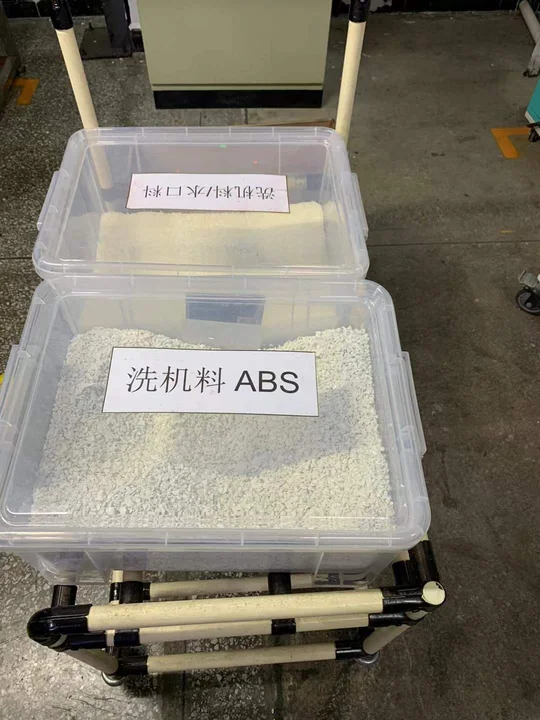
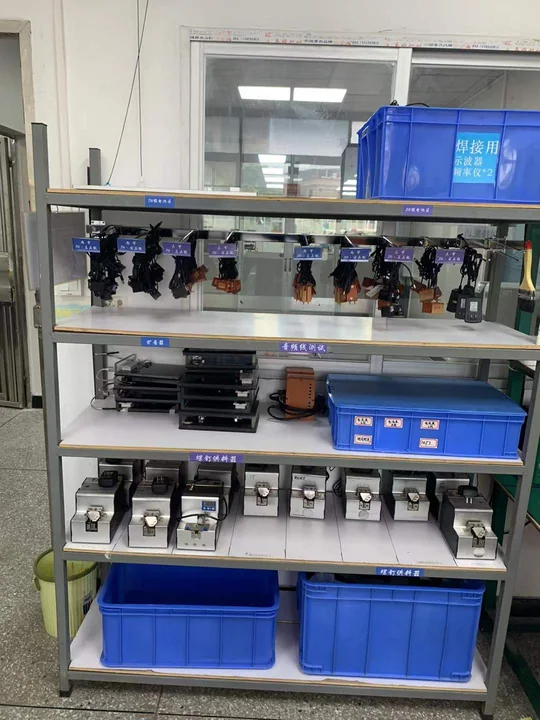
Clear containers and designated racks make stored parts and tools visible.
Storage boards, racks and drawers show practical examples of 5S organization.
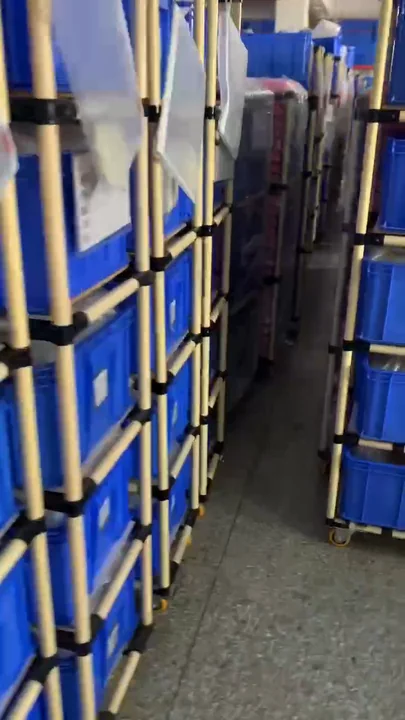
A walkthrough records a warehouse rack arrangement labelled as a transport-rack modification.
05 / PEOPLE & RELIABLE RECORDS
The quality-culture procedure sets expectations for truthful inspection records, confidentiality, fair decisions and reporting concerns. Training supports awareness of each person’s responsibilities.
06 / SUPPLIER QUALIFICATION
Use the public process summaries to identify the quality records to review for the site and product scope. Where supplier qualification requires certification, check the applicable certificate holder, scope and validity with your LEANODM contact.
Specify any confidentiality limits and whether a redacted example or a project-specific record is needed.
For ISO 9001-based supplier qualification, check the certified legal entity, manufacturing site, scope, standard edition, issuing body and validity on the current certificate.
A quality management system certificate and a product-specific approval answer different questions. Product certification and test reports should match the relevant product, market and configuration.
Prepare your review checklistEXPLORE THE DETAILS
BUYER QUESTIONS
Xinyinhai’s documented quality management system connects requirements, responsibilities, controlled documents, supplier management, records, internal review and corrective action. Product inspection is one part of that system: it verifies materials and products against the applicable acceptance criteria at defined stages.
The documented procedure requires review and approval of changes, controlled distribution to relevant users and withdrawal of obsolete versions. Changes affecting an order are reviewed and communicated with the customer. Product-certification changes also need the approvals applicable to that certified product.
Nonconforming items are identified and controlled. The relevant departments investigate the cause and implement the agreed action. Quality follows implementation and verifies effectiveness before closure; lasting changes are incorporated into controlled documents.
Check the current certificate, certified legal entity, factory location, scope, edition, certification body and validity. Match those details to the manufacturing site and work being sourced. A quality management system certificate is distinct from certification or test evidence for an individual product.
Define the site, product, review topics and evidence required with your LEANODM contact. Relevant procedures, record examples and applicable certification information can then be discussed, including confidentiality, access and any customer-specific limits.
No. The applicable plan depends on the product, intended use, destination market, customer requirements and approved specification. Sampling, routine checks and external testing need to be agreed in that context.
YOUR PRODUCT / YOUR QUALITY REQUIREMENTS
Identify the product, manufacturing scope, target market and quality evidence your team needs. Use the checklist to organize the discussion with your LEANODM contact.
Use the inquiry form to prepare your brief, or share the checklist with your existing project contact. Agree a confidential exchange before sharing restricted records. The topic selector works in your browser and does not submit information.