

Fit and use
Adjust an enclosure, mechanical interface or operating feature for a defined application. Check the effect on handling, assembly and the surrounding parts.
ENGINEERING AN EXISTING PRODUCT
Product adaptation engineers changes to an existing product while retaining an agreed design baseline.
Product adaptation starts with an existing product and a clear reason to change it. Xinyinhai’s engineering review considers how the change affects structure, materials, electronic behavior, tooling and production. We then agree the engineering and validation work needed for the revised version.
DEFINE THE CHANGE
The existing version becomes the reference for every proposed modification.
Start by separating the symptom from the requested solution. A difficult battery change, a loose joint or a costly assembly may have several causes. Share the current sample, known failures and use conditions so the review can compare options against the same requirements.
For an approved base product needing only branding or packaging changes, start with Existing Product Customization. A new core design belongs in the New Product Development review.
ASSESS THE EFFECT
Review the connected design and production steps before committing to a modification.
Design for manufacturability (DFM) connects the revised geometry to the process: wall thickness, draft, parting lines, undercuts and assembly tolerances can all affect the result. Value engineering compares simpler construction or material alternatives against the required function and quality, including the cost of tooling changes and renewed validation.
For example, changing a button can affect its clearance, return movement, operating force and contact with the circuit below. Changing an enclosure can affect wire routing, screw access and how the product is tested. The review identifies these dependencies and separates confirmed information from points that need a sample.
CHECK THE REVISED VERSION
Agree the evidence needed before approving the revised design.
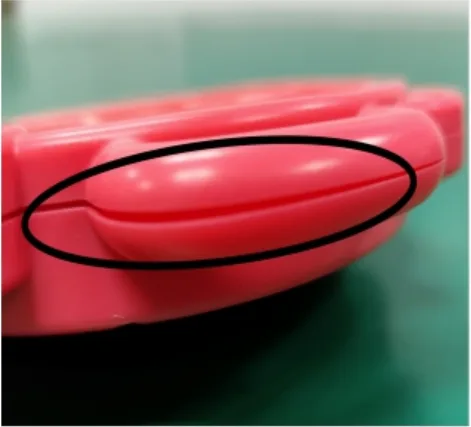
Review dimensions, fit, appearance and operation against the agreed specification. Where relevant, check interchangeability, assembly interference, battery contact, power behavior and access for production testing.
A visual model can help judge form. Material behavior, final finish and electronic operation may need separate representative samples.
Record findings, proposed corrections and the next review owner. Reliability, environmental, misuse or transport checks are selected according to the affected risks and intended use.
Customer feedback and engineering findings may require another revision. Sample approval records which version was reviewed and which production conditions it represents.
CONTROL THE REVISION
The decision needs to reach drawings, materials, samples and production instructions.
Current revision and reason
Design, tools, cost and timing
Scope and approval
Files and approved sample
Production and inspection
The change record identifies the current revision, requested modification, reason and affected items. Engineering reviews the implications, including whether tooling, fixtures or test methods need updating. Commercial and schedule effects are presented for confirmation before the affected work proceeds.
Once agreed, the revised specification and sample become the reference for that version. Keep superseded information identifiable so purchasing, production and inspection use the correct requirements.
A new request after approval can reopen part of the review. Confirm the affected files, stock, tooling and validation work before releasing the next revision.
Route the change notice through engineering review and document control. Update the affected bill of materials (BOM), drawings (DWG), operating instructions (SOP) and inspection instructions (SIP). Withdraw superseded internal copies and identify retained references as obsolete.
When a supplier uses an affected specification or inspection standard, purchasing communicates the replacement revision. Changes to purchase requirements need approval and supplier confirmation; changes to agreed order specifications, quantity or timing are reviewed with the customer.
Product-certification changes have an additional review. For products within an applicable 3C certification scope, Xinyinhai’s documented procedure adds certification approval before the changed product is produced or sold. This is separate from general engineering approval; the review must first establish the product's certification status and whether the proposed change falls within that scope.
PREPARE THE NEXT BUILD
An accepted design change still needs a usable manufacturing handover.
Drawings, BOM and key dimensions
Parts, materials and reference samples
Instructions, fixtures and process changes
Inspection criteria and remaining actions
Update the applicable BOM, drawings, key dimensions, material approvals and inspection criteria. Review work instructions and fixtures when the assembly or process changes. A trial or pilot build may be needed to check that the revised design can be produced and inspected as intended.
The release decision considers outstanding issues, approved samples and production readiness. Our working process explains how reviews, customer decisions and later changes connect.
See Traceability & Materials for how material identity, inspection status and available production records support review of affected stock, and the quality management system for document and corrective-action controls.
PROJECT OUTPUTS
Agree the applicable deliverables, their revision and approval owner in the project scope. The output must support the next decision.
Confirm the scope and acceptance criteria before authorizing the next stage.
A defined change scope with affected parts, open questions and engineering recommendations.
Revised drawings, material or BOM information where included in the scope.
An agreed sample and validation plan, with review findings and follow-up actions.
The approved revision and production handover requirements for the changed product.
BUYER QUESTIONS
Start with your current product information and the decision you need to make.
A sample can support an initial review. Identify who owns the design and which files or tooling information are available. We first establish what can be verified from the sample and what needs measurement, documentation or further engineering.
Its effect must be assessed. A different material can change stiffness, shrinkage, assembly fit, appearance or electrical behavior. We agree the sample and testing needed before accepting it into the production specification.
We can review part count, assembly steps, material options and manufacturing choices. Any saving depends on the resulting design, quantities, tooling and validation work. Alternatives must retain the agreed function, safety and quality requirements.
That depends on ownership and permitted use, tool condition, the geometry change and the production process. Tooling review may recommend reuse, modification or replacement. Confirm that decision before authorizing tool work.
We explain the implications and reassess the route. A change to the core architecture, mechanism or electronic system may require a new development scope, with additional prototypes, reviews and production preparation.
Compatibility is a requirement to define at the start. Identify which parts, accessories and versions must work together. We review the affected interfaces, dimensions, assembly and function, then agree interchangeability checks on representative samples before approving the revised configuration.
Engineering approval and certification approval are separate decisions. First establish the product certification, market and affected scope. For products within an applicable 3C certification scope, Xinyinhai’s documented change procedure requires the relevant certification approval before producing or selling the changed product. A general design-change approval does not establish that a certificate covers the revised configuration.
YOUR NEXT STEP
Describe the current version, the problem or opportunity and the result you want. Include the functions and characteristics that must remain consistent so the review has a clear boundary.
Use the inquiry form to prepare your brief, or share it through your existing project contact. Agree a confidential exchange before sending restricted drawings, code or customer information. Downloading a brief does not submit a project.